

 En
En
 Italiano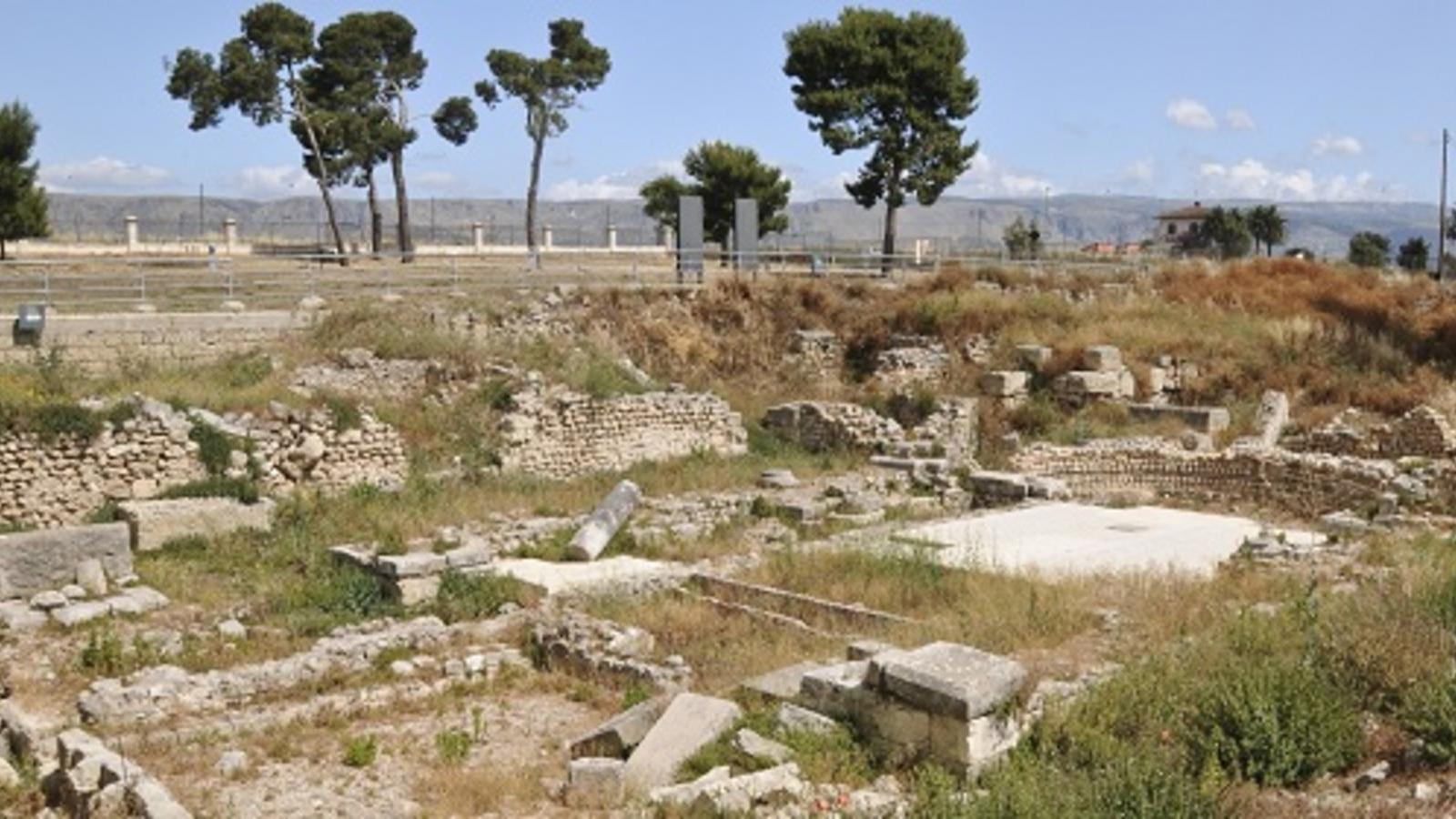
Informations
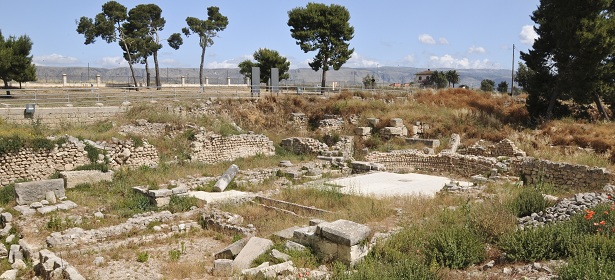
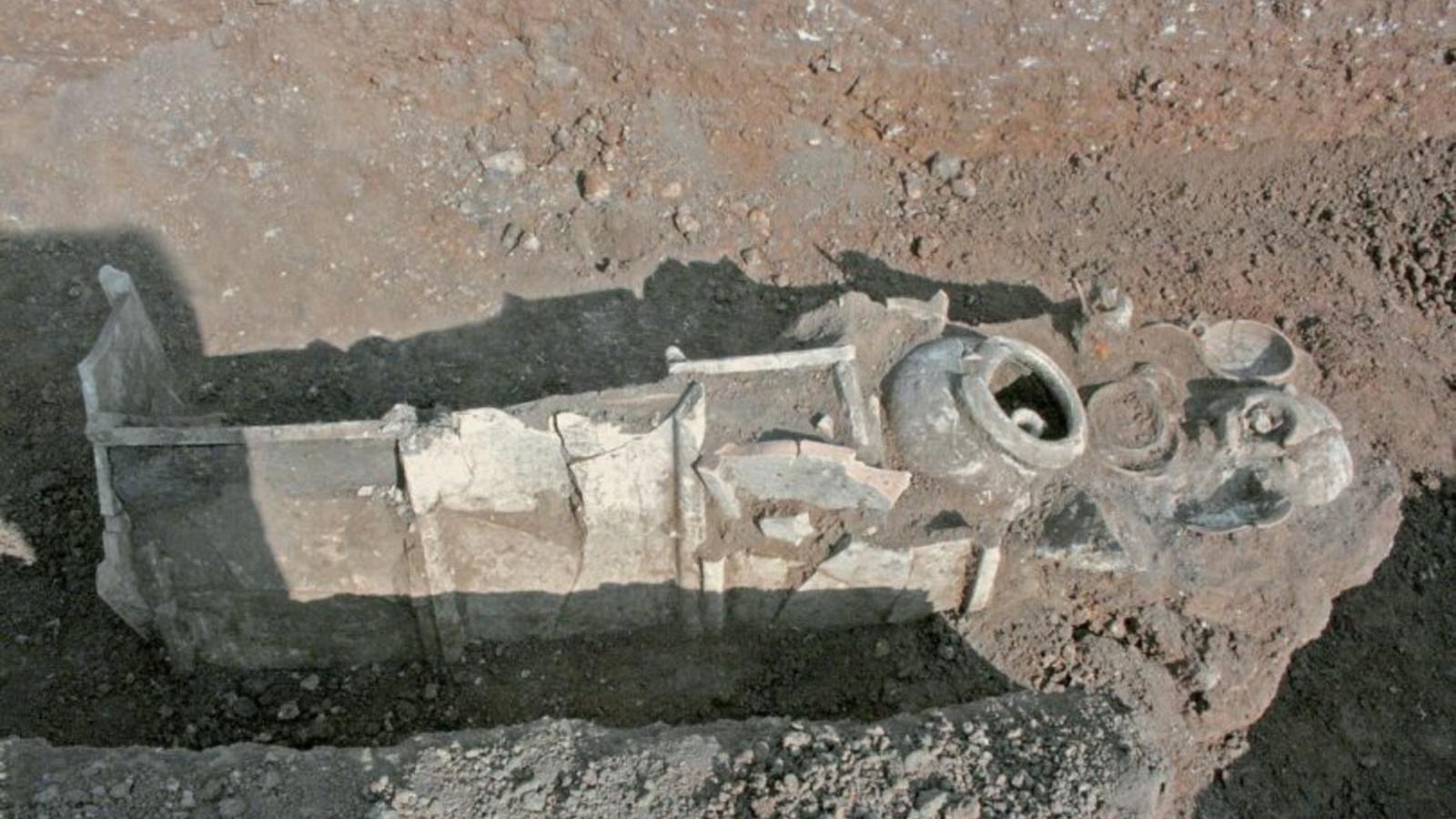
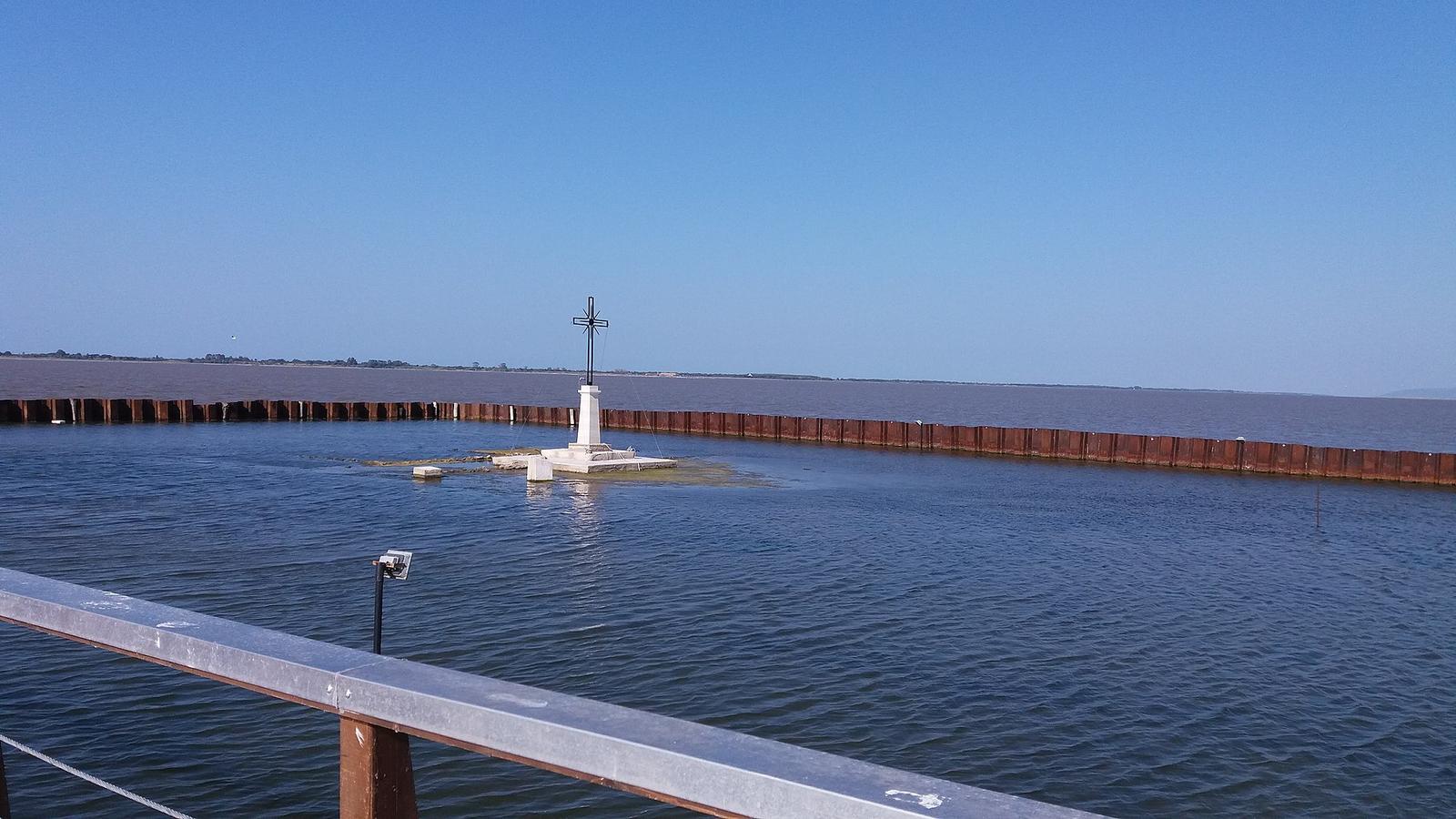
The Archaeological Park of Siponto is of great importance as it testifies to the importance reached by ancient Siponto, a Roman colony since 194 BC. and among the main ports of Regio II, before becoming the seat of one of the major dioceses in the region. After the swamping of the port and two violent earthquakes, in 1223 and 1255, Siponto was abandoned and the inhabitants moved to the nascent city founded by the son of Emperor Frederick II of Swabia, King Manfredi (second half of the 13th century), called Manfredonia or, under the subsequent Angevin dominion, Sypontum Novellum.
Precious mosaic floors relating to the construction phase of the basilica (4th century AD) and its renovation, which took place in the following century, are visible inside the Medieval Basilica of Santa Maria Maggiore. The Medieval Basilica, built between the end of the 11th and the beginning of the 12th century, is one of the cornerstones of Apulian Romanesque architecture. It has the shape of a cube surmounted in the center by a small dome and a crypt with entrance from the outside. Between the end of the 12th and the beginning of the 13th century it underwent numerous renovations. For the construction and architectural decoration, materials from the older Siponto (columns, capitals) were reused.
The portal with an archivolt supported by two columns resting on the back of a lion is valuable. Starting from 2016, in the Archaeological Park of Siponto, the project "Where art reconstructs time" was created, an innovative installation in wire mesh by the young Lombard artist Edoardo Tresoldi that recalls, in the forms, the last phase of ancient early Christian basilica. Made up of 4,500 meters of electro-welded galvanized mesh, the basilica of wire mesh is 14 meters high and weighs around seven tons in all. The courageous choice to make archeology and contemporary art dialogue is part of an overall vision of landscape understood in its temporal complexity between testimonies of the past and actuality of the present.
Source: musei.beniculturali.it
Discover our territory
In the surroundings of: Macelleria Belli
Experience our territory
In the surroundings of: Macelleria Belli

.png "Logo Fiordelisi")
.png "Logo Fulgaro Panificatori")
.png "Logo Molino De Vita")
.png "Logo Pasticceria Casoli")
.png "Logo Rosso Gargano")





Events
In the surroundings of: Macelleria Belli